DeWalt DCN680B 20V MAX XR Brad Nailer Review: Worth It? (October 2026)
The DeWalt DCN680B suits trim installers with compatible DeWalt batteries who want cordless fastening for casing and molding. Its placement and depth controls help with finish work, but this tool-only package requires a separate battery and charger.
On this page (10 sections)
- What does the DeWalt DCN680B do best?
- Which DCN680B features matter for finish work?
- What should you check before buying the tool-only model?
- How do the cordless alternatives compare?
- Does the DCN680B need a compressor?
- How should you choose brad length for your trim?
- How do you set up the DCN680B for cleaner results?
- Which mistakes cause poor fastening or surface damage?
- How should you care for the nailer between jobs?
- Should you buy the DeWalt DCN680B?
The DeWalt DCN680B is a good choice for cordless trim work, especially if you already own compatible DeWalt batteries. Buy it for casing, decorative molding and shoe molding where small fasteners and careful placement matter.
The main buying question is your battery setup. This is a tool-only model, so a complete kit may make more sense if you're starting from scratch.
If you already use a compressor, compare the DeWalt DWFP12231 review before choosing a second power system.
What does the DeWalt DCN680B do best?
The DCN680B suits light finish carpentry around the home, including decorative molding, casing, kitchen crown and shoe molding. Its controls help you place brads and adjust their depth without bringing an air hose into the room.
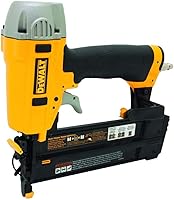
DeWalt DCN680B 18 Ga Cordless Brad Nailer

- 18 gauge
- 5/8 in to 2-1/8 in brad nails
- 20V MAX battery powered
- Brushless motor
- Tool-free depth adjustment
Choose it for decorative molding, casing and shoe molding when you already have compatible DeWalt batteries. Depth, jam and stall controls are tool free.
Pros
- No compressor, hose or gas needed
- Selectable sequential or contact actuation
- Low nail lockout helps prevent empty shots
- LED lights illuminate work and show diagnostics
Cons
- Battery and charger sold separately
- Brad fasteners do not suit structural joints
Think of it as a trim fastener, rather than a tool for every wooden joint. Brad heads leave relatively small holes, but their holding strength has limits.
For glued assemblies, brads can help hold aligned parts while the adhesive cures. They do not replace clamps when the joint needs steady pressure, and they cannot pull badly fitted pieces into a clean joint.
This tool makes sense for moving between doorways or tackling scattered repairs. The cordless setup also avoids routing a hose around finished furniture and trim.
Skip this class of nailer for structural framing or joints that require larger fasteners. Our guides to what a brad nailer is used for and brad nailers versus finish nailers explain where that boundary falls.
Which DCN680B features matter for finish work?
The most useful features are depth control, a clear sightline and separate jam and stall controls. They address common trim problems: buried heads, misplaced brads and interrupted fastening.
The tool-free depth adjustment changes how deeply the nail head sits. Aim for a slight recess that accepts filler, rather than sinking the head so far that it crushes the surface.
DeWalt says the micro nose improves visibility and placement accuracy compared with its DC608. You still need a clear fastening mark and a stable grip on the workpiece.
The multifunction LEDs provide work light and diagnostic signals. Lighting helps in cabinet corners, but it cannot reveal hidden pipes, wiring or the path of a brad inside wood.
DeWalt DCN680B firing and reset controls
Sequential mode is the sensible starting point for individual trim placement. Contact actuation supports repeated fastening, but it requires careful control of the trigger, contact tip and tool movement.
The low nail lockout helps prevent empty shots and unwanted marks when the magazine runs low. Treat it as a convenience feature, not permission to ignore the nail supply or safe handling.
A jam and a stall need different responses. The tool-free jam release gives access to a stuck fastener, while the stall release lever resets the driver blade after a stall.
DeWalt says the brushless motor helps maximize runtime and durability. The adjustable belt hook can attach on either side to suit how you carry the tool between fastening points.
What should you check before buying the tool-only model?
Check battery compatibility, charging access and your actual trim jobs before choosing the DCN680B. Owning another DeWalt tool helps only if its battery is compatible with this nailer.
The package contains the nailer without a battery or charger. Count everything needed to begin work, including compatible brads, rather than comparing the bare tool against a complete kit.
For occasional repairs, a charged battery ready on the shelf may matter more than a spare. For room-by-room work, plan how you'll keep charging from interrupting the job.
Check access as well as power. A cordless nailer still needs space to sit squarely against the trim, so consider narrow corners, nearby walls and overhead work.
Do not choose it just because it accepts longer brads than some alternatives. Fastener length should follow the joint, and a longer nail can create more risk behind thin work.
How do the cordless alternatives compare?
Choose among these tools by battery platform and package contents first, then by the brads your work needs. None changes the basic limits of an 18 gauge finish fastener.
| Model | Supported brad lengths | Battery package | Main reason to consider it |
|---|---|---|---|
| DeWalt DCN680B | 5/8 in to 2-1/8 in | Tool only | Fits an existing compatible DeWalt setup |
| Metabo HPT NT1850DFT | 5/8 in to 2 in | 2.0Ah battery and rapid charger included | Starts a new cordless setup |
| WORX WX838L.1 | Up to 2-1/8 in | 20V battery included | Brushless option for PowerShare users |
| WORX WX842L | Up to 2 in | Battery included | Fits PowerShare home trim work |
Metabo HPT NT1850DFT: choose it when you need charging equipment
The Metabo HPT kit suits buyers starting without compatible batteries because it includes a battery and rapid charger. Its brushless motor, air spring drive and tool-less depth adjustment cover common cordless trim needs.
Metabo HPT claims up to 1,300 brads per charge with the included battery and up to 2 nails per second without ramp-up time. Those figures describe capacity and speed, not how quickly you'll measure, fit and fasten trim.
Skip it if your goal is to keep all tools on an existing DeWalt system. The extra charging equipment offers less value when you already have what the DCN680B needs.
WORX WX838L.1: choose it for an existing PowerShare setup
The WX838L.1 suits PowerShare users doing finish projects who want a brushless nailer. It combines a narrow nose, triple LEDs, tool-free depth adjustment and jam release.
WORX gives a bare tool weight of 4.4 lb, which excludes the battery. Consider the complete tool you'll hold, particularly for crown molding or other work above shoulder height.
Skip it if sharing DeWalt batteries is your main reason for buying cordless. Matching the maximum nail length does not make switching battery platforms useful by itself.
WORX WX842L: choose it for PowerShare repairs and small trim
The WX842L suits PowerShare owners fastening panel molding, window trim and small baseboards. It includes a battery and offers a narrow nose, dual LEDs and tool-free jam release.
WORX claims up to 500 nails per charge with a 2.0Ah battery and up to 80 nails per minute. For repairs, careful placement matters more than reaching that firing rate.
Skip it if your planned fasteners exceed its capacity or you want the WX838L.1's brushless motor. Compare those needs before choosing between two tools on the same platform.
Does the DCN680B need a compressor?
No, the DCN680B runs on battery power without a compressor, hose or gas cartridge. That suits short jobs where setting up an air system would add work before the first fastener.
The 20V MAX name describes maximum initial battery voltage without a workload. Nominal voltage is 18V, so the number alone should not decide a comparison with an 18V tool.
A pneumatic nailer remains worth considering if your compressor is already set up where you work. Read our cordless versus pneumatic nailer guide to weigh movement around the job against charging needs.
How should you choose brad length for your trim?
Choose a brad that passes through the trim and reaches suitable backing, without creating an unsafe path behind it. Trim thickness alone does not tell you the right length.
Account for any gap or wall covering between the trim and solid backing. Where the fastener lands matters as much as how far it travels.
Do not assume a wall surface provides the same hold as solid wood. Locate suitable fastening points and confirm that the planned nail path avoids wiring, pipes and other hazards.
Thin edges and narrow moldings need extra care because fasteners can split the piece or exit its side. Keep hands outside the possible nail path, including behind the work.
For larger baseboards, decide whether brads provide enough hold for the main board or mainly suit attached shoe molding. Our guide to brad nailers for baseboards helps make that distinction.
How do you set up the DCN680B for cleaner results?
Start with compatible brads, secured trim and a depth check on matching scrap. Good setup prevents more finish damage than trying to correct every poorly placed nail afterward.
- Read DeWalt's operating instructions and wear the required eye protection.
- Remove the battery before loading, adjusting or inspecting the tool as directed.
- Load the correct fasteners in the orientation shown in the manual.
- Secure the work and identify safe fastening points.
- Select sequential actuation for controlled individual placement.
- Reconnect power when ready and check the result on scrap with similar backing.
Adjust depth in small steps until the head sits slightly below the surface. Recheck when moving to a different material or trim thickness, since one setting may not suit the whole project.
Hold the nose square to the surface and keep the work from shifting. An angled tool can place the exit path closer to an edge or leave a mark where you did not intend one.
Fit and align the trim before fastening. Use a clamp or suitable support where practical instead of placing a hand near the nose to hold a small piece.
Follow DeWalt's DCN680 manual for the exact operating sequence. Our guide to using a brad nailer covers the broader technique.
Which mistakes cause poor fastening or surface damage?
The common mistakes are using the wrong length, driving too deeply and fastening before the trim fits. Correct the setup before adding more brads to a joint that will not sit flat.
A deeply buried head can crush trim fibers and leave a larger repair. Reduce the depth setting rather than accepting heavy surface damage as normal.
A proud nail is also a reason to stop and inspect. Check the charge, fastener choice, material and setup before continuing across a visible piece.
Do not drive another brad directly onto a protruding fastener. Remove or finish it safely with an appropriate method, keeping the nailer away from the metal.
Avoid firing repeatedly after a jam or stall. Remove the battery and follow the correct clearing or reset procedure; persistent trouble needs diagnosis, as covered in why a brad nailer is not firing.
How should you care for the nailer between jobs?
Keep the magazine and nose free of debris, and store the tool with its battery removed. Clean and maintain it according to DeWalt's instructions rather than treating it like an air-powered nailer.
Inspect fasteners before loading and discard bent or damaged strips. Do not force a magazine that will not close; check the loading direction and look for an obstruction.
Do not add pneumatic tool oil unless DeWalt specifically directs it. Cordless power does not mean every maintenance practice from a compressor-driven tool applies.
Before the next project, check the contact tip and controls as the manual directs. Stop using the tool if a safety control sticks or the tool behaves unexpectedly.
Should you buy the DeWalt DCN680B?
Buy the DeWalt DCN680B if you have compatible DeWalt batteries and regular light trim work. Its depth, placement and reset controls make sense for casing and molding jobs where moving freely around the room matters.
Choose the Metabo HPT kit if you need a battery and charger together. Stay with WORX if PowerShare compatibility is the better fit, and choose a larger fastener class when the joint demands it.
Before ordering, settle the battery package, fastening points and brad length for your next project. For more alternatives, compare our best cordless brad nailers.
Frequently asked questions
What size nails does the DeWalt DCN680B use?
The DeWalt DCN680B uses 18 gauge brad nails from 5/8 in to 2-1/8 in. Choose the length around the trim thickness and the material behind it, allowing enough penetration for the joint without reaching hidden hazards or exiting the back; follow the manual's fastener requirements.
Does the DeWalt DCN680B come with a battery?
No, the DCN680B is a tool-only package, so a battery and charger are separate. It runs on a compatible DeWalt 20V MAX lithium-ion battery; if you're starting without cordless tools, compare the full setup you need against a kit that includes charging equipment.
Can the DeWalt DCN680B replace a framing nailer?
No, the DCN680B is an 18 gauge brad nailer for finish work, such as decorative molding, casing and shoe molding. Its brads are not substitutes for structural fasteners; use the required tool and fastening schedule for framing, as explained in what a framing nailer is used for.
What is the difference between the DCN680 and DCN680B?
DCN680B identifies the tool-only package, containing one DCN680 nailer without a battery or charger. DCN680 names the nailer itself, so use the full package name when comparing options; a reference to DCN680 alone does not tell you which batteries or charging equipment come with it.