Why Is My Brad Nailer Not Firing?
A brad nailer not firing often has a jam, a loading problem, an air or battery supply issue, or a work contact that isn't engaged. Disconnect power before inspection, then follow the manual's unloading and jam-clearing steps.
On this page (9 sections)
- What should you check first when a brad nailer will not fire?
- Could a jam or empty magazine be the cause?
- Why might a pneumatic brad nailer stop firing?
- What can stop a cordless brad nailer from firing?
- Could the safety contact or trigger be stopping it?
- Why does a brad nailer fire but leave the nail proud?
- Which replacement brad nailer suits your setup?
- How can you prevent repeat feeding and firing problems?
- What should you do if your brad nailer is still not firing?
A brad nailer not firing often has a jam, a loading problem, an air or battery supply issue, or a work contact that isn't engaged. Disconnect power before inspecting the magazine or nose, then follow the manual's unloading steps.
Start with setup checks before buying parts or replacing the nailer. A new tool won't solve a damaged hose, unsuitable brads, or an uncharged battery.
What should you check first when a brad nailer will not fire?
Check the power supply, fasteners, and work contact before assuming an internal part has failed. Follow this order so you don't inspect a powered tool.
- Point the nose away from people, take your finger off the trigger, and disconnect the hose or remove the battery.
- Release stored energy and unload fasteners as the manual directs.
- Check the magazine, brad strip, and accessible nose area for loading errors or damage.
- Close all releases and reload correctly before restoring power.
- Try the tool on scrap with hands clear of the firing path.
Note what happened before it stopped: silence, a click, escaping air, or a nail left above the wood. These clues narrow the checks, but none proves which part has failed.
For the normal loading sequence, see how to use a brad nailer. Stop repeated trigger pulls when the tool won't fire.
Could a jam or empty magazine be the cause?
An empty magazine, a damaged strip, or a stuck brad can interrupt feeding. A magazine that contains nails can still be loaded incorrectly.
With power disconnected and the tool unloaded as directed, check that the fasteners match its gauge, length range, and required strip type. Follow the magazine diagram rather than copying how another nailer loads.
Make sure the follower is engaged as instructed. Don't force the magazine shut over a crooked strip or reuse bent brads removed from a jam.
Some nailers prevent firing when fasteners run low; others may cycle without driving a nail. Check your model's manual before treating either behavior as a broken firing mechanism.
If jams keep returning with correct fasteners, stop and seek service. Repeated jams can indicate a feed or driver problem that reloading won't fix.
Why might a pneumatic brad nailer stop firing?
Insufficient air reaching the tool can prevent firing or leave nails partly driven. Check the nailer's required operating range rather than relying only on the compressor tank gauge.
Tank pressure and regulated outlet pressure aren't the same reading. A full tank doesn't confirm that the hose is receiving the pressure your nailer needs.
Disconnect the tool before checking fittings and visible hose damage. A poorly seated coupling, restricted hose, or compressor that can't keep up can interrupt the air supply.
If the first nail drives normally but later nails don't, check air recovery between shots. Don't compensate by exceeding the nailer's pressure limit.
An audible leak at the tool calls for stopping and disconnecting the hose. For help comparing setups, read cordless vs pneumatic nailers.
What can stop a cordless brad nailer from firing?
Battery charge, battery seating, and model-specific lockouts are the first cordless checks. Remove the battery before inspecting the fasteners or nose.
Charge the compatible battery with its approved charger, inspect accessible contacts for debris, and seat it as the manual directs. Don't bridge contacts or use a damaged pack.
Read any indicator light using the manual, since light patterns vary between models. If the tool or battery needs to cool, follow the stated waiting and restart procedure.
A charged battery won't resolve a jam or a stuck work contact. If basic checks fail, contact the brand before buying another battery as a guess.
Could the safety contact or trigger be stopping it?
The contact and trigger must operate in the sequence required by the selected firing mode. In sequential mode, that usually means placing the contact against the work before pulling the trigger.
Keep power disconnected while inspecting contact movement as the manual allows. Never press the contact by hand on a powered tool, tape it down, or bypass it.
A stuck contact, damaged trigger, or unexpected discharge requires service. Review how to use a nail gun safely before returning to work.
Brad nailer not firing even though the trigger moves
Trigger movement doesn't prove that the nailer is ready to fire. The tool may still lack power, have a blocked feed path, or require a different contact sequence.
Recheck those external causes with power disconnected. Leave trigger and internal firing repairs to the brand's service team or a qualified repair service.
Why does a brad nailer fire but leave the nail proud?
A proud nail is a driving-depth problem, not necessarily a failure to fire. Check depth adjustment, available power, and the nail-and-material combination.
Use scrap that matches your workpiece's wood and thickness. Change one setting at a time within the manual's limits so you can tell what helped.
Choose brad length for the trim and the material behind it, while checking for concealed wiring or plumbing. A longer fastener isn't automatically a better choice.
Don't force the nose against delicate trim to compensate for poor driving. For task selection, see what a brad nailer is used for.
Which replacement brad nailer suits your setup?
Replace the tool when repair isn't worthwhile or your power setup no longer suits the work. Choose features that make loading, adjustment, and jam access easier, without expecting any nailer to prevent every stoppage.
The nail guns guide explains the main tool types if your project needs more holding power than a brad nailer offers.
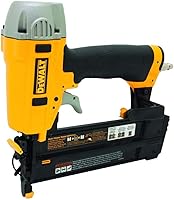
DeWalt DWFP12231 for trim work with a compressor
Choose the DeWalt for sequential firing and accessible adjustments. Its tool-free jam release and depth adjustment suit someone who wants straightforward access when a brad sticks or sits proud.
It accepts 18-gauge brads from 5/8 to 2 inches and includes a carrying case. DeWalt describes its motor as maintenance-free; follow its care instructions rather than assuming every pneumatic nailer needs oil.
Skip it if carrying a compressor and hose would prevent you from using it. The DeWalt DWFP12231 review covers its features in more detail.
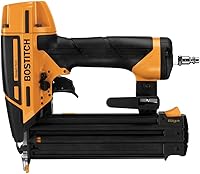
Metabo HPT NT50AE2 for longer trim sessions
Choose the Metabo HPT if tool weight and nail-supply visibility matter. It weighs 2.2 pounds and has a reload indicator that helps you notice a low magazine.
It accepts the same fastener range as the DeWalt and adds selectable sequential or bump firing. Use the selected mode's exact operating sequence; switching modes isn't a remedy for a fault.
Skip it if you want to avoid an air setup. Compare other options in best pneumatic brad nailers if these two don't fit your work.
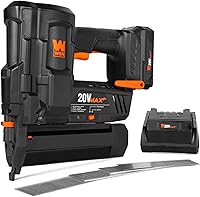
Ryobi P321 for jobs without an air hose
Choose the Ryobi P321 if cordless mobility matters most, especially if you already have a compatible ONE+ battery and charger. Both are sold separately from this tool.
Its stated weight is 6 pounds, so consider how you'll hold it during overhead or extended work. Avoid comparing weights alone without accounting for your working position and the air hose a pneumatic tool needs.
Skip this tool-only option if you don't want to add a battery system. Confirm its fastener compatibility before ordering brads.
How can you prevent repeat feeding and firing problems?
Correct loading and model-specific care prevent avoidable stoppages. Before each job, check fasteners, the power connection, and visible damage.
Keep brad strips dry and protected from bending. Remove accessible debris only by the method the manual allows, with power disconnected.
Oil a pneumatic nailer only if its instructions call for it, using the specified lubricant and amount. Too much oil isn't a substitute for maintenance, and maintenance-free designs have different care needs.
After use, follow the unloading and storage instructions. Store the tool where the contact and magazine won't be knocked or packed with debris.
What should you do if your brad nailer is still not firing?
Seek service if your brad nailer is still not firing after correct loading, power, and contact checks. Persistent leaks, repeated jams, damage, or unexpected firing are reasons to stop immediately.
Keep the tool if a setup correction solves the problem. For replacement, choose DeWalt for sequential trim work, Metabo HPT for its lighter tool and reload indicator, or Ryobi for cordless mobility.
Once the fault is resolved, follow the brad nailer loading and firing routine and check depth on scrap before fastening finished trim.
Frequently asked questions
Why does my brad nailer click but not shoot a nail?
A click without a nail can come from a jam, an empty or misloaded magazine, or a power supply problem; the sound alone doesn't identify the fault. Disconnect power, follow the manual's unloading steps, and check the fasteners and nose before reconnecting for a trial on scrap.
Why is my pneumatic brad nailer not firing?
A pneumatic brad nailer may have insufficient air, a loading problem, or a jam; check the compressor regulator and hose setup against the manual. Disconnect the hose before inspecting the tool, release stored energy as directed, and never raise pressure beyond the tool's specified range to force it to fire.
Why is my cordless brad nailer not firing?
A cordless brad nailer may have a depleted or poorly seated battery, a jam, or a work contact that isn't engaged; some models also stop when fasteners run low. Remove the battery before inspection, and use the manual to interpret indicator lights and follow any reset procedure.
Can I clear a brad nailer jam while it is connected?
No, disconnect the air hose or remove the battery before clearing a jam, unloading nails, or inspecting the nose. Follow the manual's steps for releasing stored energy and removing fasteners; keep the tool pointed away from people, with your finger off the trigger, and never look down the nose.