Can You Use a Nail Gun Without an Air Compressor?
Yes, you can use a nail gun without a compressor by choosing a battery-powered model. Match the nailer to your fasteners and check whether a battery, charger, or fuel cell is required.
On this page (8 sections)
- What kinds of nail guns work without a compressor?
- Which nail gun without a compressor fits your project?
- What should you check before buying a cordless nailer?
- When is a pneumatic nailer worth keeping?
- How do you set up a cordless nail gun safely?
- Which mistakes cause poor results or injuries?
- How do you care for a compressor-free nailer?
- Which nail gun without a compressor should you choose?
You can use a nail gun without a compressor by choosing a battery-powered nailer. Pick the fastener type first: brads suit small trim, while finish nails suit work that needs a thicker fastener.
For occasional repairs, avoiding a hose can save setup time. The buying decision still comes down to the project, battery compatibility, and what comes in the box.
What kinds of nail guns work without a compressor?
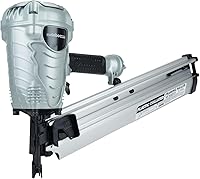
Battery-powered and battery-plus-fuel nailers can work without an external compressor. A pneumatic nailer still needs compressed air through a hose; adding a battery won't convert it into a cordless tool.
Battery-only designs avoid fuel-cell replacements. Models that use fuel cells need both the correct cell and their other required power supplies, so check the operating system before choosing one.
An internal air mechanism doesn't mean you need a separate compressor. Focus on the tool's required power source rather than assuming that any mention of air means a hose connection.
For a broader look at nailer types and common uses, see our complete guide to nail guns for home projects.
Which nail gun without a compressor fits your project?
Choose the nail type before the battery platform. A convenient cordless tool is still the wrong buy if its fasteners don't suit the joint or trim.
Brads leave smaller holes and suit light decorative work. Thicker finish nails offer more holding strength but leave larger holes to fill.
Neither of those categories replaces a framing nailer for structural work. Our guide to choosing a nailer gauge helps match the fastener to the task.
Which nail gun without a compressor suits small trim?
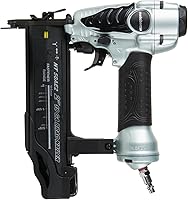
The Ryobi P321 suits small trim projects, especially if you already have a compatible Ryobi ONE+ battery and charger. It's an 18-gauge brad nailer, sold as a bare tool.
This is a sensible starting point for decorative molding and light wood trim that call for brads. Check the accepted nail lengths in the manual before ordering fasteners.
Skip it if you need a complete starter kit or your project calls for thicker finish nails. Account for the battery and charger before comparing the total setup with another tool.
For more detail on suitable jobs, see what a brad nailer is used for.
Who should choose the WEN cordless brad nailer kit?
The WEN 20512 suits buyers starting without a battery system. It includes a 2.0Ah battery, charger, and 400 brads, reducing the number of separate items you need to gather.
Its 100-nail magazine suits runs of trim where frequent reloading would interrupt your work. The status indicator tracks battery condition, magazine fill, and tool temperature, while dual work lights help illuminate the fastening area.
WEN offers single-sequential and contact-activated firing modes. Choose sequential operation for deliberate placement, particularly while learning the tool.
Skip this kit if your project needs finish nails or if holding a heavier tool would make the work difficult. WEN gives its weight as 7.84 pounds, so consider how long you'll be working above shoulder height.
When is the Craftsman cordless finish nailer the better fit?
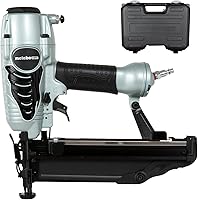
The Craftsman CMCN616B is the choice here for projects calling for 16-gauge finish nails. Think heavier trim and larger molding rather than fine decorative strips.
Its tool-free depth setting helps you adjust how far nails enter the wood. Tool-free jam and stall controls also make those interruptions easier to address, following the manual's procedure.
Choose it if the job needs finish nails and you have, or plan to get, compatible V20 power equipment. The battery and charger are sold separately.
Skip it for delicate trim where a larger fastener could split the piece or leave an unwanted hole. See what a finish nailer is used for and our brad nailer vs. finish nailer comparison if the project falls between the two.
What should you check before buying a cordless nailer?
Check fasteners, battery compatibility, and working comfort before comparing extra features. These decide whether the tool fits both your project and the way you'll use it.
Confirm the nail gauge, accepted lengths, and magazine style. Fasteners that look similar aren't automatically interchangeable, and a correct gauge alone doesn't prove that a strip fits.
Match the battery to the exact tool platform. Similar voltage labels don't make batteries from different brands interchangeable.
For overhead trim or a long room, consider the tool with its battery attached. Balance, grip, and access near corners matter more during sustained work than they do during a few quick repairs.
Plan for charging breaks if you have only 1 battery. Charge time and runtime vary, so don't build a work schedule around an assumed number of nails per charge.
When is a pneumatic nailer worth keeping?
Keep a suitable pneumatic setup if you already own it and the hose doesn't hinder the job. A cordless model is most useful when it solves a real problem, such as moving between rooms or making scattered repairs.
Pneumatic nailers can suit long work sessions when a matching compressor provides enough air. Check both the pressure requirement and air delivery, since pressure alone doesn't tell you whether the compressor can keep up.
Cordless tools move the power supply onto the nailer. That removes the hose but can add weight in your hand and introduces charging needs.
Compare the full setup in cordless vs. pneumatic nailers, including equipment you already own and where you'll work.
How do you set up a cordless nail gun safely?
Read the manual, load compatible nails, and check depth on scrap before fastening the finished piece. Use offcuts of the same trim and backing material so the result is useful.
Follow this order, adjusting it to the tool's instructions:
- Prepare the area. Identify hidden wiring or pipes, clear bystanders, and secure the work so your hand won't be near the nail path.
- Inspect the tool. Check for damage and confirm that its safety controls move as intended.
- Load with power disconnected. Follow the manual's loading sequence and keep the nose pointed away from people.
- Fit the correct power source. Reconnect it only when the tool is ready for use.
- Check a scrap joint. Adjust depth until the head sits as the project requires, without crushing the surface.
Wear eye protection and any other protection required for the work. Keep your finger off the trigger until you're ready to drive a nail, and never carry the tool by its trigger.
OSHA's nail gun safety guidance explains common injury risks. Our guide to using a nail gun safely covers basic handling in more detail.
Which mistakes cause poor results or injuries?
Wrong nails, poor support, and rushed placement can spoil trim or send a fastener where you don't expect it. More driving force won't correct the wrong tool or joint.
Don't choose nail length from trim thickness alone. Allow for useful penetration into suitable backing while checking what lies behind the work.
Avoid placing nails too close to an edge or driving at an uncertain angle. Wood grain can deflect a nail, so keep hands clear of the sides and back of the fastening area.
Support and align the trim before firing. A nailer fastens the joint; it shouldn't be used to pull a bowed piece into position without proper holding or clamping.
Stop if the tool jams, stalls, or repeatedly leaves nails proud. Don't keep pulling the trigger or immediately turn the depth control to its maximum.
How do you care for a compressor-free nailer?
Keep the nailer clean, dry, and maintained as its manual directs. Disconnect its power sources before cleaning, inspecting the nose, or addressing a jam.
Brush or wipe away loose debris around accessible areas without pushing dirt into the mechanism. Don't add oil unless the manufacturer calls for it, since cordless designs have different service needs from pneumatic tools.
For the WEN, use a damp towel with mild soap for exterior cleaning and don't soak the tool. Let it dry before returning it to service.
Inspect fastener strips before loading and discard bent or damaged ones. Store the tool and battery away from moisture and extreme heat, following their storage instructions.
Which nail gun without a compressor should you choose?
Choose the Ryobi P321 for brad-nailing jobs when its battery platform fits your plans. Choose the WEN 20512 kit when you need the battery and charger included to get started.
Choose the Craftsman CMCN616B when the joint calls for finish nails. Move to another nailer category if the job requires structural fasteners.
The best nail gun without a compressor is the one that drives the right fastener for your work and fits your power setup. Use our guide to nail guns for home projects to confirm the tool category before buying.
Frequently asked questions
Can you use a pneumatic nail gun without a compressor?
A pneumatic nail gun needs a suitable compressed-air supply, usually a compressor connected by a hose. A battery cannot replace that air supply unless the tool was designed for battery operation.
Match the air pressure and delivery to the nailer's requirements, and disconnect the air supply before clearing jams.
Are cordless nail guns as powerful as pneumatic nail guns?
Neither power system alone tells you whether a nailer suits your job. Nail size, tool design, and the material all matter.
Choose a model intended for your fasteners, then check its depth on scrap from the project.
A cordless brad nailer cannot take the place of a framing nailer.
Do cordless nail guns need an air compressor?
Battery-powered cordless nail guns don't need an external air compressor or hose to drive nails. Some cordless designs also require fuel cells, so check the power system before buying.
You still need a compatible charged battery and the correct fasteners.
A bare tool may include neither a battery nor a charger.
What should you check before using a nail gun?
Read the manual, confirm the fastener type and length, and inspect the tool for damage. Wear eye protection and keep your hands clear of the nose and fastener path.
Before clearing jams or servicing the tool, disconnect its power sources and follow the manual's instructions for any stored energy.